Your cart is currently empty!
The Struggle of Delhi’s River: Pollution and its Impact
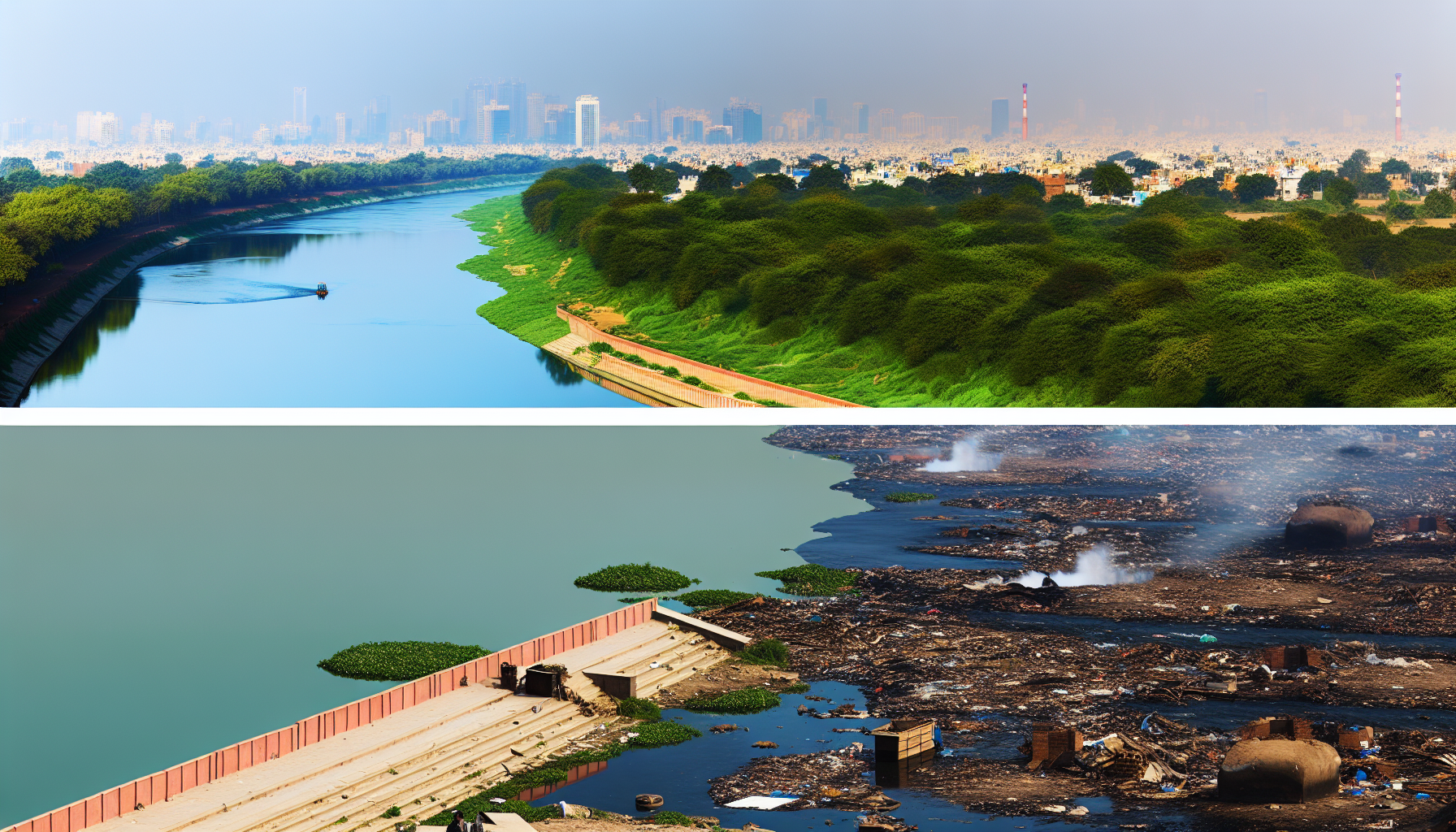
Delhi, a bustling metropolis, is grappling with severe pollution issues that severely impact its primary water source, the Yamuna River. This article delves into the intricate relationship between urban pollution and the health of the river, exploring the causes, effects, and the importance of conserving this vital waterway for future generations.
The Historical Significance of the Yamuna River
The Yamuna River, flowing through Delhi, has been a central feature of the city’s history and culture since its inception. Originating from the Yamunotri Glacier in the Himalayas, it has traversed the Indian subcontinent for thousands of years, nurturing both the land and its people. Revered in Hindu mythology, the Yamuna is considered a sacred river, personified as the goddess Yamuna, and is celebrated through numerous rituals and festivals. Its banks have been the cradle of countless civilizations, providing sustenance and fostering trade, agriculture, and urban development.
Throughout history, the river has been a symbol of purity and stability, shaping the socio-economic landscape of Delhi. From ancient settlements that thrived along its shores to the Mughal Empire that flourished in its vicinity, the Yamuna has profoundly influenced the city’s growth. The construction of monumental structures, such as the Red Fort and the Taj Mahal, was often influenced by proximity to this vital waterway. The river’s waters were indispensable for irrigation, vital in supporting the agrarian societies that populated the region, thereby ensuring food security and fostering economic prosperity.
Culturally, the Yamuna holds significant importance in the daily life of Delhi’s citizens. Festivals like Chhath Puja witness thousands gathering along its banks to offer prayers, reflecting the river’s enduring spiritual significance. The annual immersion of idols during celebrations, such as Durga Puja and Ganesh Chaturthi, is a testament to the deep-seated belief in its sanctity. However, the reverence for the river contrasts sharply with the stark realities of pollution that have marred its beauty over recent decades.
As urbanization surged, the demographic changes brought about by migration and settlement resulted in increasing dependence on the Yamuna as a source of water. For many in Delhi, the river is more than just a geographical feature; it serves as a lifeline, providing essential water resources for drinking and daily activities. Yet, this dependence has strained its already vulnerable ecosystems, highlighting a pressing need to reconcile the historical importance of the Yamuna with the challenges it faces in the modern age. The struggle to preserve and rejuvenate the river is not just about environmental concern but about honoring a legacy that has long been intertwined with the identity of Delhi.
Pollution Sources Affecting the Yamuna
As the Yamuna River flows through Delhi, it encounters a multitude of pollution sources that significantly threaten its health and vitality. Understanding these pollution sources is essential to grasp the extent of the river’s degradation.
One of the primary contributors to the Yamuna’s deterioration is **industrial waste**. Numerous factories are located along the riverbanks, releasing untreated effluents directly into the water. A staggering report by the Central Pollution Control Board (CPCB) revealed that approximately 70% of the river’s pollution comes from industrial discharge. Heavy metals, toxic chemicals, and various organic pollutants from industries such as textiles, chemicals, and food processing have drastically increased the Yamuna’s toxicity levels. For instance, the level of dissolved oxygen, vital for aquatic life, often dips to alarming lows due to this pollution.
Another crucial factor is **sewage discharge**, which significantly exacerbates the river’s contamination. Delhi generates about 3,700 million liters of sewage daily, but only about half is treated before being discharged into the Yamuna. The untreated sewage contains pathogens, nitrates, and phosphates that further deteriorate water quality, making it extremely hazardous for human and aquatic life alike. The Inter-State Yamuna Water Assembly, in a 2022 initiative, estimated that over 1,000 million liters of untreated sewage continues to flow into the river each day.
Simultaneously, **agricultural runoff** contributes to the degradation of the Yamuna. Fertilizers and pesticides used in nearby agricultural lands wash into the river during the rainy season, introducing an array of toxic substances into the water body. Recent studies found that levels of nitrates in the Yamuna are exceeding the permissible limits, exacerbating the already critical pollution levels.
In addition to these industrial and agricultural pollutants, **urban development** plays a significant role in the river’s trajectory toward pollution. Rapid urbanization in Delhi has led to encroachments along the riverbanks, diminishing its natural filtration mechanisms and increasing sedimentation. As infrastructure expands, the construction activities generate waste that often finds its way to the river.
Collectively, these pollution sources have turned the Yamuna River into one of the most polluted rivers in India, with legitimate concerns for its long-term sustainability. Understanding the interplay of such diverse pollutants emphasizes the urgent need for comprehensive strategies to rejuvenate this vital waterway.
The Health Impacts of River Pollution
The health implications of river pollution extend far beyond the banks of the Yamuna, impacting the lives of millions residing in Delhi. Contaminated water poses significant risks to public health, leading to a myriad of health issues that stem from unsafe drinking water and poor sanitation. The Yamuna, heavily polluted with industrial effluents and untreated sewage, harbors pathogens and toxic substances that adversely affect the community.
In Delhi, approximately 60% of the population relies on groundwater, much of which is contaminated by river pollution. Consuming water infested with harmful bacteria, like E. coli, can lead to serious gastrointestinal diseases, which disproportionately affect vulnerable populations, including children and the elderly. According to the World Health Organization, unsafe water contributes to over 500,000 preventable deaths annually in India. This statistic resonates deeply with the residents who experience the direct impact of river pollution on their health.
Moreover, the proliferation of waterborne diseases, such as cholera and dysentery, poses a significant strain on the healthcare system in Delhi. Hospitals are often overwhelmed with patients suffering from the consequences of contaminated water. The lack of adequate sanitation facilities exacerbates these issues, as untreated wastewater is frequently discharged directly into the Yamuna, creating a vicious cycle of pollution and health complications.
The ecosystem’s degradation further compounds these health crises. The loss of biodiversity in the Yamuna affects fish populations that serve as a critical food source for local communities. This decline not only limits access to nutritional food but also jeopardizes the livelihoods of fishermen relying on the river’s resources. The toxicity of the water can lead to bioaccumulation of harmful substances in fish, posing potential risks when consumed by humans.
Public health advocates emphasize the pressing need for systemic change to address these stark realities. There is a consensus that urgent action is imperative to safeguard the health of Delhi’s residents, considering the intricate relationship between ecosystem health and human well-being. Tackling the multifaceted issues of pollution in the Yamuna requires collaboration among government bodies, civil society, and local communities, aiming for a sustainable solution that transcends mere management of symptoms and addresses the root causes of river pollution.
Government Initiatives and Legal Framework
Government intervention has played a crucial role in addressing the rampant pollution of the Yamuna River in Delhi. Recognizing the grave environmental and health consequences of pollution, the Indian government, in collaboration with the Delhi government and various stakeholders, has initiated several key policies and legal frameworks aimed at restoring the river’s health.
One of the most significant initiatives is the Yamuna Action Plan (YAP), launched in 1993, which aims to reduce pollution levels and restore the river’s ecosystem. The plan is implemented in phases, focusing on sewage treatment, riverfront development, and community involvement. The YAP emphasizes the establishment of sewage treatment plants (STPs) to treat the wastewater that contributes significantly to the river’s pollution. As of recent assessments, the plan has led to the construction of several STPs, yet challenges remain. Many existing plants operate below capacity, and a still-lagging sewage management system exacerbates the pollution.
In addition to the YAP, the National Green Tribunal (NGT) has become an essential legal avenue for environmental protection concerning the Yamuna. This specialized court has dealt with numerous petitions related to pollution control. The NGT has mandated strict regulations on industrial effluent discharge, urging compliance from industries along the river. Through various orders, the tribunal has pushed for accountability and transparency, often sanctioning errant entities.
Furthering legislative measures, the Ministry of Environment, Forest and Climate Change has introduced the Water (Prevention and Control of Pollution) Act, of 1974. This act empowers statutory authorities to impose fines on individuals and corporations violating pollution norms. However, enforcement often lacks the necessary rigor, creating gaps that allow ongoing pollution.
Despite these initiatives, the effectiveness of these legal measures is frequently called into question. Lapses in implementation, lack of political will, and corruption have hampered progress. The degradation of the Yamuna remains a pressing issue, highlighting the need for more robust governance mechanisms.
Moreover, the government has attempted to integrate community participation into its initiatives. By fostering a sense of ownership among local populations, authorities hope to create a collaborative effort to safeguard the Yamuna. Yet, without substantial and sustained investment in infrastructure and enforcement, the road to revitalizing the river remains a challenging one.
A Hopeful Future: Restoration Efforts and Community Involvement
As pollution continues to threaten the health of the Yamuna River, communities in Delhi are stepping up to restore this vital lifeline through grassroots initiatives and sustainable practices. Numerous non-governmental organizations (NGOs) have emerged as champions of environmental preservation, working hand-in-hand with local residents to combat pollution and raise awareness about the importance of the river.
Among these efforts, initiatives such as “Yamuna Clean-Up” and “River March” have mobilized thousands of citizens to participate in clean-up drives and awareness campaigns. These campaigns not only focus on removing garbage from the riverbanks but also aim to educate the public about the effects of waste on the aquatic ecosystem. Local volunteers are often seen collecting plastic waste, old clothes, and other debris, playing a pivotal role in revitalizing the river’s banks.
**Successful case studies** demonstrate the power of community involvement. One notable example is the “Yamuna Vihar” project, where a group of citizens initiated a comprehensive awareness program that successfully reduced garment disposal into the river by 40%. Through workshops, pamphlets, and interactive programs in schools, they have not only communicated the impact of pollution but have also provided strategies for waste reduction at the source.
**Public awareness campaigns** have gained traction, especially through social media platforms, where citizens share real-time updates about the river’s condition and promote sustainable practices. Through hashtags like #SaveYamuna and #CleanYamuna, environmental advocates have stimulated dialogues that transcend geographical boundaries. Engaging videos, infographics, and stories that highlight personal connections to the river have fostered a sense of ownership and responsibility among the urban populace.
In tandem with community-led efforts, many organizations are collaborating with schools to incorporate environmental education into curricula, fostering a new generation of ecologically conscious citizens. The involvement of youth has proven particularly fruitful; students have initiated campaigns to reduce the use of single-use plastics, thereby significantly curbing the amount of waste that ends up in the river.
Despite the daunting challenges posed by pollution, the collective efforts of citizens, NGOs, and local communities are instilling hope and creating a formidable alliance against pollution. The Yamuna may have faced severe degradation, but the shared commitment to its revival shines a light on the potential for positive change. Each action taken, no matter how small, contributes to the larger goal of restoring the river’s health and ensuring its sustainability for generations to come.
Conclusions
In conclusion, the pollution of the Yamuna River highlights the urgent need for concerted efforts to tackle urban pollution in Delhi. Sustainable practices and effective governmental policies are essential to restore the river’s health and secure clean water for future generations. The time to act is now to ensure a greener and healthier Delhi.
Leave a Reply